

Sophia

Volumen 22 número 1 2026

Research article

Mary Elen Niño Molina1*  , Wilson Enrique Torres Sánchez1
1Universidad La Gran Colombia, Seccional Armenia. Colombia.
/Image_007.png)
Niño Molina, M. E., Torres Sánchez, W. E. (2026). Unlocking the Potential of English as a Foreign Language in Civil Engineering Education: A Digital Intervention. Sophia, 22(1).
https://revistas.ugca.edu.co/index.php/sophia/article/view/1568
/Image_008.jpg)
This work is licensed under a Creative Commons Attribution 4.0 International License. Sophia Educación. Copyright 2026. Universidad La Gran Colombia.




This research focuses on the implementation of a reading plan to enhance English language acquisition among civil engineering students at Universidad La Gran Colombia. It is framed within the importance of English as a Foreign Language (EFL) under an English for Specific Purposes (ESP) approach. The first section of the article provides a theoretical and pedagogical framework that supports the proposal, followed by a description of the methodological aspects that enabled the creation of virtual environments supported by digital magazines and online learning platforms. The validation of these magazines was conducted with the participation of 161 students who made up the sample. The results will allow for an analysis of the intervention's effectiveness based on the selected research type. Finally, conclusions will contrast the research question, objectives, and some of the theories that supported the process. Notably, the creation of the magazines and fieldwork were carried out entirely virtually, utilizing digital materials and online learning platforms, allowing for a comprehensive and immersive learning experience.
English curriculums are focused on the use of traditional methodology, it has linguistic perception clearly and it gets a disadvantage for the students who do not master these aspects. Considering the multiple intelligences theory by Chen, J.; Moran, S.; Gardner, H. (2009) where they say that all human beings have more than one intelligence, a person can be particularly good at a specific area and also shows good skills in a different one. Therefore, it is important to understand that every single student could have different skills inside of the classroom, the ways to express themselves, strengths and weaknesses. In traditional education, the evaluation and the learning development are considered a homogeneous group in terms of the way to learn where the language learning is focused on grammatical rules, structures, and language production. On the other hand, the evaluation is frequently focused on the memorization of information. It is supposed to be a disadvantage for students who do not have the linguistic intelligence, it could produce frustration in the students who get some difficulties memorizing information.

Thomas & Reinders (2010), in their book Task-Based language learning and teaching with technology, affirm that the use of technology and the TBLT (Task-Based Learning Teaching) approach as a strategy to work on two big paradigms of the language teaching learning such as the psycholinguistic approach and the sociocultural approach, incorporating real-life situations in the foreign language learning and the sociocultural contexts of the students based on the use of specific vocabulary. First, it benefits the development of the communicative skills in English, and second it encourages cooperative work and the motivation of the students. Besides, it provides specific descriptions of each role involved in the process (teacher and student) and goes in-depth in some technological concepts that are important when talking about technology as a facilitating tool. For example, TB-SCMC (Task-Based Synchronous Computer-Mediated Communication) and VLE (Virtual Learning Environment), which focus the student’s attention on formal aspects of the language, allowing them to question its use in different scenarios. These scenarios are constantly supported by technology, making them as realistic and meaningful as possible.
Following the previous idea, Ellis et al. (2019), claim that one of the bases of TBLT is including formative assessment as a key to knowing how students complete the different tasks and how self- assessment is fundamental to the approach. Based on that, the reading didactic material designed incorporates those assessment elements, since it was designed to support students in training them to understand civil engineering vocabulary and expressions, understanding each part of the reading activities, and knowing the principal objective of what the virtual material assesses to improve their performance in each type of exercise, also, with the based reading didactic virtual material as well as the games on. These learners can see the evaluation of their progress due to they are able to see the final answers, compare them and identify why the specific answers were correct or incorrect, also during the process they can recognize their reading strengths and weaknesses to improve them. There is another point with Davis, Katie and Gardner Howard (2012) who mention that the language learning is an interactive process among several intelligences, according to the investigation article “The Role of Multiple Intelligences In Listening Proficiency” published at The Asian EFL Journal, it is discussed that many aspects of a good skill are influenced by multiple intelligences, for example, skills such as inferring, reasoning and making analogies in the communication process can be influenced by logical-mathematical intelligence. However, in this investigation it is affirmed that linguistic intelligence can predict the performance of listening skills, a polemic affirmation for some other projects that are not explicitly based on this type of intelligence for the development of listening skills, where another methodology is utilized, focused on different intelligences and there are also found good improvements in listening skills. For this reason, this investigation project contributes specifically to the development of communicative skills, based on their own interests, related to field of Civil engineering. It takes interpersonal intelligences as a foundation, since through the use of digital tools and virtual games students can understand better the reading contexts and intentions within the content.
During the research process and through linguistic intelligence, students are able to analyze specialized texts, interpret technical vocabulary, and construct meaning from academic discourse, it means this work analyzes the impact of content creation aimed at civil engineering students on the strengthening of their digital and media literacy, as well as on the development of linguistic intelligence through an English reading plan for academic and professional purposes. From the perspective of Education 5.0, the study explores the possibilities offered by the reading and analysis of specialized texts for the training of competent digital citizens. Likewise, it examines the impact of

these practices on the development of skills such as effective communication, collaboration, critical thinking, and problem-solving, discussing the implications of the findings for educational practice in higher education contexts. As a result, we can see throughout the research process how Multiple intelligences are able to complement one another and function effectively while students interact using different strategies.
There are other articles and evidence focused on young adults’ people, these has had different postures on studies over the years, as well as sociological and psychological perspectives. For this reason, to help to work on this project and showing how some authors define these concepts theoretically, the social learning theory will be delved into. Introduced by psychologist Bandura (1997) describes the process of human development in which learning arises from observation, imitation, and modeling, influenced by factors such as attention, motivation, attitudes, and emotions. For students, successful experiences strengthen their self-efficacy, which can be enhanced through workshops and training sessions. Additionally, students develop their efficacy not only through direct mastery experiences but also through vicarious learning by observing others in activities such as training, classroom sessions, and role-playing. Experiences with products created through reading and role-playing not only facilitate the learning of new skills, such as language acquisition, but also promote autonomous learning.
Learning occurs through the behaviors we see from others and relies on two main mechanisms: imitation and observational learning. Imitation refers to the way people replicate what others do, while observational learning describes situations in which individuals acquire knowledge by watching behaviors, even if they do not perform them immediately. This referent is a principle to start taking into account what other people are doing in their process so, participants could help each other. That's quite important due to the information is recalled and probably used later. It’s important to mention here that people are generally more motivated when they observe that a model is rewarded for engaging in a particular behavior, especially when they are sure they are able to get similar benefits by following the same practices as their classmates at the same level. In educational contexts, especially in this project context, this dynamic allows Civil engineering students to learn English language by observing the performance and outcomes done by their peers, as these results serve as reference points for improvement. On the other hand, motivation may go down when learners are aware that certain behaviors cause negative consequences or punishment for the model.
It is also relevant to mention this socio-cultural aspect, state that the information required for instruction includes a fourth vital measurement: sociocultural information, which is fundamental when you help students to understand contents. This process is better when in expansion to the three fundamental sorts of information (mechanical, content-related, and educational). Since education is about individuals and society, social flow are a normal portion of it. That's why civil engineering students engage easily related sub-disciplines that canter on sociocultural components are found inside each of the three fundamental information spaces. Cases incorporate the integration of socio- scientific challenges in segments like modern STEM instruction, social instructional method in education, and socio-informatics in innovation. Sociocultural information is becoming increasingly critical within the setting of learning English, especially with the utilization of computerized instruments. By allowing understudies to be associated with an assortment of social circumstances, advanced stages advance not as it were dialect learning but moreover the development of social

mindfulness and intercultural communication abilities, both of which are basic in today's globalized world.
In the same way, blended learning highlights the combination of two instruction methods, firstly, the long-distance education supported by digital tools and secondly the face-to-face instruction, in order to achieve an optimal development in the teaching and learning process. According to Bonk & Graham, (2012), there are some benefits applying this methodological approach and the combination of multiple instructions in 21st-century learning as they mention in the book “The handbook of blended learning”, where they emphasize the use of technological resources as innovative instruments and a fundamental part to face the challenges in today’s education. They also mention the importance of face-to-face monitoring and instruction by the teacher, considering different perspectives, pedagogical models, and blended learning systems categories. Thus, this methodological approach complements correctly the main objective of this research, it incorporates some features such as the use of technology for educational purposes and the semi-presential teaching method, where the teacher is in charge of monitoring and guiding the pedagogical process.
To foster a deeper understanding of the process carried out by the students, a new bet is TBL (Task- Based Learning), it is characterized by being a methodological approach for language teaching, where the language is used as a communicative instrument to get a specific objective, allowing to analyze and adapt the procedure to the student’s needs. Besides, it offers the chance of creating new activities based on the student’s interests and real contexts situations to the teachers, generating in the students the need to use the new language for carrying the activities out. It is important to mention that this methodological approach is characterized by complementing the language as an instrument and used by the students in the background because the main objective is to develop the previously proposed tasks. That is why the cognitive development in a new language is built by the teachers consciously, they are in charge of all the context characteristics and relate them to the proposed task, but unconsciously the students carry the tasks out both individually and as a group without taking into consideration the language evaluation itself.
On the other hand, the 21st century has brought several changes in humanity in different aspects, one of them is the teaching and learning process where the creation and implementation of new methods and teaching strategies by the teacher. In terms of learning a second language Vyas & Patel, (2009) in the book “Teaching English as a second language: A new pedagogy for a new century.” affirm that the innovation in language education must be frequent and teachers have the role of developing new tools and resources which contribute to the pedagogical process of the students and help to overcome the future challenges. So that specific needs and interest becomes a great bet as an innovative tool for language learning. This process is easier when students from other disciplines, such as civil engineering students want to be within the innovation activities. It, of course, contemplates several aspects such as student motivation, technological tools of the 21st century (apps and websites) variety and easy adaptation to groups of different concepts, etc. In the same way, it regards the four fundamental communicative skills (speaking, listening, reading, and writing) due to games and interactivity resources that can be used and adapted in different ways by the teacher depending on the objective previously established.
Regarding the importance of communicative skills, we can find investigation projects such as the one led by Adams et al. (2007). titled “Technology that enhances without inhibiting learning.”, where it is exposed that on average, people spend around 70% of their time involved in a communication

process, from which 45% of it is related to listening, it implies why it is necessary to master this skill and learn how to use the language effectively (active learning). A common issue when trying to listen to someone that speaks a foreign language is the lack of attention put on the message, since we can get distracted thinking of how to answer correctly, trying to organize our thoughts and grammar, decrypting the meaning of new words or simply in things that are not related to the topic of conversation, so, first of all, it is important to strength receptive abilities (listening and reading) and progressively pass to productive abilities (speaking and writing). It is why the use of digital tools and task-based learning methodology allow students to understand, interact and be able to communicate properly using their foreign language.
English for particular purposes (ESP) “As a learner-centered approach, its primary reason has been that of satisfying the particular needs of target learners to fulfill either their proficient or professional demands” (González, 2015, p. 380). In this ponder, the perusing instructional virtual techniques are centering on upgrading the perusing abilities and making a difference understudies to ended up more commonplace with the respectful engineering perusing writings structure with the point to plan understudies for assist universal readings as required by the gracious engineering things. To realize this, students' needs were examined and analyzed some time recently much appreciated to the researchers' encounter and disobedient displayed in this investigate. As Husain & Ali (2024) affirms: Needs examination may be a foundation of ESP, encouraging the plan of custom fitted dialect programs to improve learners' aptitudes in their chosen field or calling, reflecting the energetic and responsive nature of ESP instructional method to meet the advancing requests of learners universally (p.59).To develop this researching, it was crucial to work a lot of practical and interactive activities since ESP points out different techniques and strategies aiming at improving English language learning. In this regard, a notable input is the management of need analysis, which refers to the techniques for collecting and assessing information relevant to course design: it is the means of establishing the how and what of a course. While the study primarily targets teaching English for purposes, to Civil Engineering students it suggests that utilizing this approach can enhance skills whether they are concrete like mathematics or abstract like religion. This reinforces the notion that acquiring foreign language proficiency's a strategy and aligns, with the central concept presented in this research project. Since the resources should be in line with the language being taught, material development is essential to helping language learners. Additionally, based on already-existing resources, content can be improved or modified to better fit particular student groups. To optimize the material's potential, this process entails activities such as adding, eliminating, altering, or complementing content (Tomlinson, 2011).
Since in-house resources are "materials developed locally by a particular teacher or group of teachers to address the specific needs of a group of students," they provide substantial benefits in this situation (Rahmawati et al., 2021, p.53). By using in-house resources, teachers can adapt reading materials to the needs and interests of their students while incorporating local contexts to enhance reading comprehension through contextualized, real-world content.
According to Torres-Sánchez and Niño-Molina (2022), in the process of learning English within their own interests and needs, the ESP methodology allows users to constantly question the use of English in different scenarios. Similarly, the procedural support of technology, helps to experience the different scenarios achieved so that they become more real and meaningful. Therefore, Civil engineering students, in particular, should recognize the importance of English for specific purposes

in their field. While mastering all language skills may not be necessary, it is crucial for them to at least understand technical texts and become familiar with relevant vocabulary. Many technical manuals, research papers, and industry standards are written in English, and understanding these resources allows students to stay updated with the latest advancements and best practices. Moreover, civil engineers often work on international projects, and proficiency in English facilitates better communication and collaboration with global teams.
Relevant statements to consider in this research are also related to the adaptation of civil engineering materials and selecting expressions and vocabulary that suit their needs in online materials, as it has been mentioned, the last one to highlight is the adaptation of educational materials. Considering that Masuhara (2022) said that material adaptation “involves making changes to existing materials to better suit specific learners, teachers, and contexts for the purpose of facilitating effective learning”, it should be noted that teachers have the opportunity to reduce imbalances in the materials they use, whether books, audios, magazines or photographs, and thus manage to apply them in a more conscious and useful way for their teaching purposes. Since “adaptation of existing materials is the result of recognizing a mismatch between the teaching materials and the needs and objectives of the classroom”
Being proficient in English can also enhance career opportunities, as many multinational companies require employees to have a good command of the language. Participating in conferences, seminars, and workshops conducted in English can further professional development and expand one's network. To achieve this, civil engineering students should focus on familiarizing themselves with key technical vocabulary, developing the ability to read and comprehend technical texts, and learning the basics of technical writing. Prioritizing these aspects will significantly benefit their academic and professional endeavors. Consequently, the approaches mentioned in this research focus on the specific student’s needs who combine both English language learning and integration into a specific discipline, in order to develop their language skills. Throughout this research proposal, it will be demonstrated how learning occurs across different digital contexts, where digital and media literacy constitutes a social and disciplinary pedagogical interaction for all participants. It is through this interaction that the 21st-century citizen is shaped. This continuous training provides the students, in this specific case, civil engineering students, with the critical, creative, and communicative disciplinary skills, which are crucial for practicing their profession, not only in a digital space but also in the real world, fully integrated into their role as engineers. Therefore, this research incorporates these approaches, which can be implemented through the creation of digital content that contributes to the development of these competencies in the students who participated in the study.
The population involved in the initial stage of the project consisted of 20 students enrolled in the Modern Languages with an English emphasis degree who were part of the Interdisciplinary English course of the Modern Languages with an English emphasis degree, and who were in charge of the magazine creation process. In addition, five interns of the Civil Engineering degree joined this team: two of them were the technical advisors during the whole magazine creation process, the third one helped perform the user testing of the magazines and their subsequent adjustment, and the other two interns monitored field work. The population involved were the students of the Civil Engineering program who were part of the courses supported by the digital magazines, who were the team that

allowed validating the work with the magazines. This last group totaled 161 students who were distributed in 4 virtual environments, each one supported by a magazine. The selection of the syllabus and subsequent course contents was supported by the team of disciplinary professors of the four specific courses of the Civil Engineering program. Moreover, this research was mainly of a correlational type.
In this regard, there was the need to compare the before and after of the students in the process to contrast the results. For this purpose, this type of research was used, which as Hernández (2010) says "the purpose of this type of study is to know the relationship or degree of association that exists between two or more concepts, categories or variables in a particular sample or context". According to the above, the project was developed and allowed taking information from field work as follows:
Pretest.
Review of magazines.
Researchers’ advice
Magazine activities
Post-test.
Perception survey.
This structure was supported through the following phases:
This first phase involved the intervention of two researchers and 4 disciplinary professors of the civil engineering program who were in charge of selecting the disciplinary syllabuses to intervene, namely: Construction Materials, Statics, Hydraulics and Transit and Transportation. After that, two intern students of the Civil Engineering program joined the team, who were in charge, with the guidance of the professors and syllabuses, of creating the database of the contents based on different inputs and online aids for each one of the base contents of the magazines. Additionally, Butler et al. (2015), mention that to design a teaching or didactic material it is essential to consider ten elements or steps, which are student needs, goals and objectives, test tasks, language and skills, sequence, materials, teaching, reflection, evaluation and revisions. Taking into account previous stipulations, this research presents several reading online activities materials adapted to the local context of the civil engineering level students of the La Gran Colombia university, in support of the need about their own discipline. Likewise, it presents clear and detailed objectives, additional tasks based on the reading section of civil engineering topics. The sequence was established following the structure of the several syllabuses, and for its implementation time management, reflections, comments and evaluation about its content were taken into account both at the level of reading skills and the specific vocabulary of the engineering degree.
This phase involved both researchers and student interns, who compiled the databases built in the research phase. Basic design aspects were also established in the preparation of the magazines, such as: cover page, credits, table of contents (which was structured from 4 units), introduction, rationale, magazine body based on these four units and literature references. The second part of this phase involved 20 students from the Interdisciplinary English course of the bachelor’s degree in Modern
/Image_019.png)
Languages with Emphasis in English, who were divided into groups to work on the magazines; they also had the structure of the magazines and were introduced to the databases. All the graphic content of magazines and the gamification activities had to be created by each group assisted by the constant disciplinary review of the two student interns and the pedagogical and language advice and review by the researchers. Based on these aspects and structure, the magazines were created. Figure 1 shows the cover of one of them (Figure 1):
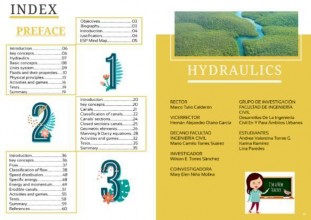
It should be noted that, as the magazine creation continued, the fundamental pre- and post-tests for the type of research were also being developed.
In this phase, magazines were prepared in accordance with ESP approach principles. In this regard, there was a triangulation between researchers - student interns - undergraduate students, which made possible the creation of the four journals. Figure 2 shows the table of contents and credits in one of the magazines (Figure 2).
/Image_021.jpg)
/Image_022.png)
During the second part of this phase, user testing was performed on each magazine to identify aspects of layout and content that needed to be adjusted, which was carried out by the third student intern of the civil engineering program, based on a qualitative instrument that allowed the identification of the aforementioned aspects.
Finally, and once magazines were completed, researchers created the four virtual environments on the Moodle platform, where pretest and posttest were also included. Figure 3 shows the location of one of the virtual environments where the magazines were placed (Figure 3).
/Image_023.jpg)
As shown in Figure 3, the structure of each virtual environment consisted of the title of the corresponding reading plan and an introduction, both in Spanish. Below are four topics: the first one provides access to the general information about the course, then there is the topic that provides access to the pretest, which was enabled before the intervention, then there is the topic that provides access to the magazine, which is 100% in English, and, finally, there is the posttest, which was enabled after the review of the magazine. Once the post-test was completed by the students of the sample, they were faced with the perception survey of the process developed. It should be noted that the whole process was carried out for about 4 weeks.
A non-probability convenience sample of 161 students who were part of the basic courses of the digital magazines was selected in this phase. Distribution of the students who took part in the field work is shown in Table 1.
Magazine | Quantity |
Construction materials | 56 |
Statics | 36 |
Hydraulics | 22 |
Transit and transport | 47 |
As shown in Table 1, the number of students was not the same per environment, as this depended on who was taking each course. Considering the above, this stage involved interaction among those participating in all the fieldwork: sample, interns and researchers. We also partnered with each of the professors of the intervened courses. At first, the students of the four groups were brought together virtually. Once the strategy was explained by researchers, they explained each of the virtual environments and the work methodology to be used in them. As a significant part of the success of working in this environment depended on engineering students, they were oriented to properly develop their work in this environment. In general, although the work of students should be very autonomous, weekly tutorials were agreed upon to clarify doubts and reinforce some aspects of language, based on their doubts, if they so decided, for which they were assisted in this part by the two student interns. Field work for each of the four groups was arranged as follows:
Introduction to the virtual environment by researchers.
Pretest presentation.
Four weeks of autonomous work in the environment using the virtual magazines as the main focus. Interactive aids such as the forum, chat and synchronous meetings with the researchers and student interns to clarify doubts were also available.
7. Post-test presentation.
8. Closing session to apply the perception survey.
Two evaluations applied at the different time points were taken into account for the correlational analysis. As already mentioned, there was a reasonable 4-week period to review the magazine by each group of students from the pretest to the posttest at the end of the intervention. In that period of time, they had the opportunity to look at all the information contained in each unit between theory and videos, as well as the gamification activities that included, among others: word searches, quizzes, matching and completion questions, which were set out in the theoretical part of the proposal. Although these activities were not taken into account for the analysis of the results, they did help to verify the interaction of students with virtual magazines.
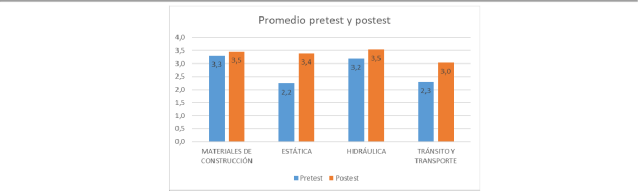
As previously mentioned, the pre-test and post-test set as variables were contrasted to carry out this part of the study. This contrast was made on the basis of several parameters, including mean, standard deviation, correlation coefficient and the t-student test. It should be noted that the two phases had questionnaires of approximately 50 questions, mainly multiple-choice questions. Scoring was based on a scale of 0 to 5, where 5 was the highest score. Each of the parameters analyzed will be outlined below. At first, Figure 4 shows the comparison of means for each environment:
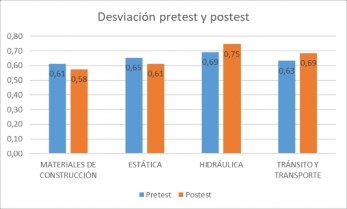
As shown in Figure 4, each magazine improved in the posttest compared to the pretest. Another important aspect is that all post-test results were higher than 3. Especially, the two magazines with the lowest pretest results improved the most in the posttest compared to the initial test, Statics and Transit and Transportation. Figure 5 below compares standard deviations.

As shown in Figure 5, the standard deviations between pretest and posttest were quite close in each of the environments. These were generally low at both times, which was positive for the intervention since this parameter underlines group homogeneity throughout the process without interfering negatively with other analyses.
In addition, Table 2 shows the criteria used for correlation analysis, which will help us to interpret this parameter.

VALUE CRITERIA
r = 1 Perfectly positive correlation
0.9 ≤ r < 1 Very high correlation
0.7 ≤ r < 0.9 High correlation
0.4 ≤ r < 0.7 Moderate correlation
0.2 ≤ r < 4 Low correlation
0 < r < 0.2 Very low correlation
r = 0 Null correlation
R = -1 Perfectly negative correlation
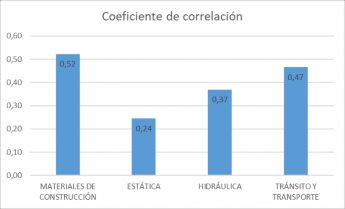
Figure 6 shows the correlation coefficient of each environment.

According to Figure 6, two of the four environments (Construction Materials and Transit and Transportation) had a moderate correlation, while the other two had a low correlation (Statics and Hydraulics). In this regard, this parameter helped to determine that there was no association between the pretest and posttest variables in the four environments. Therefore, it could not be taken as a trend reference point as it was reliable.
Considering that the correlation was not a clear indication of analysis between the before and after intervention, the significance between the variables was analyzed by means of the Student's t-test. This test checked whether there were significant differences in results between the two time points (pre-test and post-test). Before showing the table of results, it is worth noting that the reference p- value is 0.05, which implies that if the t-test revealed a value lower than this, significant differences could be established, and if the p-value was higher than 0.05, there were no significant differences. In this regard, the null and alternative hypotheses were set up as follows:
Null hypothesis (H0): there are no significant differences between the pretest and posttest results in the four virtual environments supported by digital magazines.
Alternative hypothesis (Ha): posttest results will be significantly better than pretest results in the four virtual environments supported by digital magazines.
According to the hypothesis statement, Table 3 shows the p-value for each environment:
Environment | P-value |
Building materials | 0.02 |
Statics | 0.0000000001 |
Hydraulics | 0.03 |
Transit and transport | 0.000000001 |

As shown in Table 3, working with the four environments made it possible to determine that there were significant differences in favor of the intervention as all p values were less than 0.5. This means that posttest results were significantly better than pretest results in the four virtual environments supported by digital magazines. It should be noted that it was better in the Statics and Hydraulics environments.
In general terms, the inclusive effect of the pedagogical intervention focused on the design of digital activities based on specific contents specific to Civil Engineering, as well as the evidence of the positive impact of the students of this program shown in the use of the virtual environment through the digital magazines. This category encapsulates the fact that, during the implementation process, the activities (i.e., materials) developed had a positive effect on the students, who became familiar with the same type of materials in their learning process: mainly magazines and interactive and gamification activities in them, significantly shown in the four digital magazines.
During the phases of the research project, the virtual environment was developed with digital magazines, contrasted with different phases of development resulting in the following results: the general objective of developing a digital proposal to improve the use of technical English applied to the reading plan in some courses of the Civil Engineering program was achieved through a virtual environment based on interactive magazines of the discipline and supported by the ESP methodology.
Specific objectives were achieved one by one during the research process, namely: virtual environments were designed in Moodle supported by digital magazines based on the ESP methodology to strengthen English vocabulary in students; several online gamification activities were implemented through the use of environments in Moodle and ESP methodology. Through the use of environments in Moodle and ESP methodology, and the reading plan was validated based on the work done in the virtual environments with the group of Civil Engineering students, showing significant differences between the results in favor of the intervention. In this regard, although the correlation between before and after in any of the four environments was not high, it is highlighted that the means improved during the post-test compared to the pre-test in the four environments, but more marked in two of them (Statics and Transit and Transportation), due to the low pre-test results in these two environments. According to the above, the null hypothesis was rejected while the alternative hypothesis was accepted: posttest results will be significantly better than pretest results in the four virtual environments supported by digital magazines. It was also revealed that, although it was not an aspect of study, the final posttest results in the four environments had scores close to and above 3.
In addition, for the students of the bachelor’s degree in Modern Languages with Emphasis in English, the design of this type of virtual material was very positive for their future performance as teachers since the use of technology resources, mainly in the development of this discipline-specific approach (ESP) was very enriching.
Finally, it was also possible to observe based on the analyses that the interaction in virtual environments demanded that the students worked on outside of class for the reading plan supported by magazines, thus allowing them to advance in their level of lexical ability in the English language. An aspect to be highlighted is the interest of both researchers and the sample involved to continue with this work to achieve the desired results, not only in the English language, but also to strengthen their disciplinary skills, making of these virtual environments mediated by digital magazines a good excuse to advance in the appropriation of a foreign language.

During the development of this research, learning processes were observed taking several directions: in the first one, lexical acquisition of foreign language, in this case English, related to the reading plan was strengthened, disciplinary contents were reinforced through gamification and permanent reinforcement, the use of technology resources such as online tools was leveraged through the design of a virtual environment and digitally organized magazines. Subsequently, the discipline-specific lexical skills of future Civil Engineers, their vocabulary and previously established subject matter were strengthened.
Interpreting different types of texts in English favored the achievement of the proposed objectives, as well as lexical empowerment through gamification activities. These are effective results in relation to what was pointed out by onk, C. J., & Graham, C. R. (2012), who highlighted the implementation of eclectic methodologies for the learning of a foreign language through virtual environments. This process reinforced this premise, which was also validated in this study.
Furthermore, and according to the interpretation of the perception survey applied at the end of the process, the use of the Moodle virtual environment and digital magazines made individual work and time management effective, making learning technical English a playful path with short- and medium- term results. Therefore, this process demonstrates that disciplinary concepts and occupational needs take precedence, making evident the motivation of Civil Engineering students in this case.
In relation to the evaluation, results were found to be in several directions: a positive result was found in the appropriation of several resources and the processes of self-, co- and hetero-evaluation included in digital magazines, as well as their implementation in the disciplinary spaces. Here Hernández (2010) points out that virtual strategies should show different ways to deepen knowledge of the topics, processes that were evidenced through the use of links.
All of the above is reinforced by quantitative results of the intervention since the mean of posttest results was improved in all magazines. Similarly, significant differences of improvement were found in posttest evaluations, thus confirming the alternative hypothesis. Regarding correlation, it was not high in the four magazines, which implies that this parameter should be further studied in a new intervention as it did not show an association between pretest and posttest variables, making it unreliable in this aspect. Standard deviations showed that dispersion was not a parameter that played against the intervention, and that, conversely, it showed homogeneous groups in this aspect.
These observations indicate that, regardless of the level of English of the students sampled, the intervention made it possible to verify their level of improvement, based on their pretest results, which showed a significant progress in the four proposed environments and, most importantly, through the acquisition of technical English specific to each of the selected disciplinary courses, which gives an important enhancement to the pedagogical methodology selected for learning a foreign language, in this case ESP.
Finally, it is worth mentioning here that students had the opportunity to expose themselves and interact with greater ease than at any face-to-face situation during the COVID 19 pandemic. The situation faced in education, and in this case in higher education, and the way in which home-stay was dealt with helped to strengthen skills in learning a foreign language and monitoring progress in a 100% virtual process.

Mary Elen Niño Molina: Magíster en Educación - Tecnológico de Monterrey, México. Especialista en Pedagogía y docencia universitaria - Universidad La Gran Colombia. Especialista en Pedagogía de la lengua escrita - Universidad Santo Tomás. Licenciada en español e inglés - Universidad La Gran Colombia. Correo electrónico: mary.nino@ugc.edu.co
Wilson Enrique Torres Sánchez: Magister en Tecnologías de la Información aplicadas a la Educación - Universidad Pedagógica Nacional. Especialista en Pedagogía y Docencia Universitaria - Universidad La Gran Colombia. Especialista en Ingeniería de Software - Universidad Distrital Francisco José de Caldas Licenciado en Matemáticas - Universidad Distrital Francisco José de Caldas Correo electrónico: wilson.torres@ugc.edu.co
The authors declare no conflict of interest.
The authors participated in the writing of the paper and the analysis of the documents.
This research was funded by the Universidad La Gran Colombia.
Adams, A., Scott, P., Pettit, J., & Kukulska-Hulme, A. (2007). Technology that enhances without inhibiting learning. The Open University. https://oro.open.ac.uk/21028/2/5-69-AdamsA.pdf
Bandura, A. (1997). Self-efficacy: The exercise of control. New York: Freeman. https://clame.nyu.edu/fetch.php/E037GG/311538/bandura_1997-
self_efficacy the_exercise of control.pdf
Bonk, C. J., & Graham, C. R. (2012). The handbook of blended learning: Global perspectives, local designs.
Pfeiffer.
https://www.researchgate.net/publication/26872610_The_Handbook_of_Blended_Learning_Global
_Perspectives_Local_Designs
Butler, G., Heslup, S., & Kurth, L. (2015). A ten-step process for developing teaching units. English Teaching Forum, 53(3), 2–12. https://files.eric.ed.gov/fulltext/EJ1077923.pdf
Chen, J.-Q., Moran, S., & Gardner, H. (2009). Multiple Intelligences Around the World. John Wiley & Sons. https://books.google.com.cu/books?id=C-
5bI3Kk46QC&printsec=frontcover&hl=es#v=onepage&q&f=false
Ellis, R., Skehan, P., Li, S., Shintani, N., & Lambert, C. (2019). Task-Based Language Teaching: Theory and Practice. Cambridge University Press. https://books.google.es/books?hl=es&lr=&id=6qCsDwAAQBAJ&oi=fnd&pg=PR9&ots=Yk1wt6CcO8&s ig=W3LWcQRybyDjo6mHEXTx2xvTiJk#v=onepage&q&f=false
/Image_033.png)
Davis, K., & Gardner, H. (2012). Five minds our children deserve: Why they’re needed, how to nurture them.
Journal of Educational Controversy, 6(1). https://cedar.wwu.edu/jec/vol6/iss1/10
González, C. (2015). English for specific purposes: Brief history and definitions. Revista de Lenguas Modernas, (23), 379–386. https://doi.org/10.15517/rlm.v0i23.22359
Hernández, R., Fernández, C. & Baptista, M.P. (2010). Metodología de la Investigación (5ª ed). McGraw-Hill. https://books.google.com.cu/books/about/Metodolog%C3%ADa_de_la_investigaci%C3%B3n.html?id
=D_2_uQAACAAJ&source=kp_book_description&redir_esc=y
Husain, N., & Ali, S. (2024). English for specific purposes perspective: Identifying English language needs of guidance and counselling students. International Journal of Research on English Teaching and Applied Linguistics, 5(1), 59–71. https://doi.org/10.30863/ijretal.v5i1.6794
Masuhara, H. (2022). Approaches to materials adaptation. Julie Norton, Heather Buchanan (edit.) The Routledge handbook of materials development for language teaching. Taylor & Francis ISBN: 1000539733, 9781000539738 277-290.
https://books.google.com.cu/books/about/The_Routledge_Handbook_of_Materials_Deve.html?id=5 vxbEAAAQBAJ&redir_esc=y
Rahmawati, H. N., Rochsantiningsih, D., & Handayani, E. I. P. (2021). Process and challenges in material development: A case study at vocational high school in Surakarta. English Education Journal, 10(1), 52–
62. https://jurnal.uns.ac.id/englishedu/article/view/53652/34507
Thomas, M., & Reinders, H. (Eds.). (2010). Task-based language learning and teaching with technology. A&C Black.
https://books.google.com.cu/books/about/Task_Based_Language_Learning_and_Teachin.html?id=b UASBwAAQBAJ&redir_esc=y
Tomlinson, B. (2011). Materials development in language teaching (2nd ed.). Cambridge University Press. https://assets.cambridge.org/97805217/62854/frontmatter/9780521762854_frontmatter.pdf
Torres-Sánchez, W. E., y Niño-Molina, M. E. (2022). Plan lector en inglés apoyado en revistas digitales utilizando la metodología ESP para cursos disciplinares de un programa de ingeniería civil. Revista Virtu@lmente, 9(2). https://doi.org/10.21158/2357514x.v9.n2.2021.3212
Vyas, M. A., & Patel, Y. L. (2009). Teaching English as a second language: A new pedagogy for a new century.
PHI Learning.
https://books.google.es/books?hl=es&lr=&id=jhe8pDczX1MC&oi=fnd&pg=PR1&dq=Vyas,+M.+A+%2 6+Patel,+Y.+L.+(2009).+Teaching+English+as+a+second+language:+A+new+pedagogy+for+a+new+cen tury.+PHI+Learning+Pvt.+Ltd.&ots=cQd42qoLN9&sig=WSLWE9MUVbQ9HRFi5YYdQ_LEup4#v=onepag e&q&f=false